

Understanding the Importance of Lead Attribution
To truly measure the success of your digital marketing efforts, you must be able to track calls and enquiries from Google Business Profile accurately. Relying on guesswork leaves you unable to determine which aspects of your local visibility are actually driving revenue. By implementing structured tracking methods, you move from vague impressions to concrete data that informs your broader Local SEO Services strategy.
Native Insights and Their Limitations
Google Business Profile provides built-in performance reports. These metrics show how many people clicked the call button or requested directions, but they often lack the granularity required for sophisticated conversion analysis. While useful for top-level visibility, native insights do not record the content of the conversation or the specific source of a website visit if the user clicked through to your site instead of calling directly.
The Role of Call Tracking Software
For businesses that require precise data, dedicated call tracking software is the professional standard. These platforms assign a unique, dynamic phone number to your Google Business Profile listing. When a potential customer dials this number, the software redirects the call to your primary business line while simultaneously capturing data about the interaction. This allows you to log the duration, origin, and outcome of every lead, ensuring you can solve the mystery of why your traffic is not converting into actual sales.
Tracking Website Enquiries from Your Profile
Not every lead originates as a phone call. Many users click the website link provided on your business card. If you want to track these visitors specifically, you must use UTM parameters in your URL. By appending tags to your website link, you can isolate traffic coming specifically from your Google Business Profile in tools like Google Analytics. This is a foundational step that often goes hand-in-hand with implementing Essential Schema Markup Types for Local Business SEO to ensure search engines understand your entity data perfectly.
Implementing UTM Parameters
To set this up, use a URL builder to create a tagged link. Your structure should look something like: example.com/?utm_source=google&utm_medium=organic&utm_campaign=gbp. Once this is live on your profile, any user who clicks through will be clearly labeled in your analytics dashboard. This separates your organic search traffic from your local map pack traffic, giving you a clearer picture of your performance.
Integrating Conversions into Your Analytics
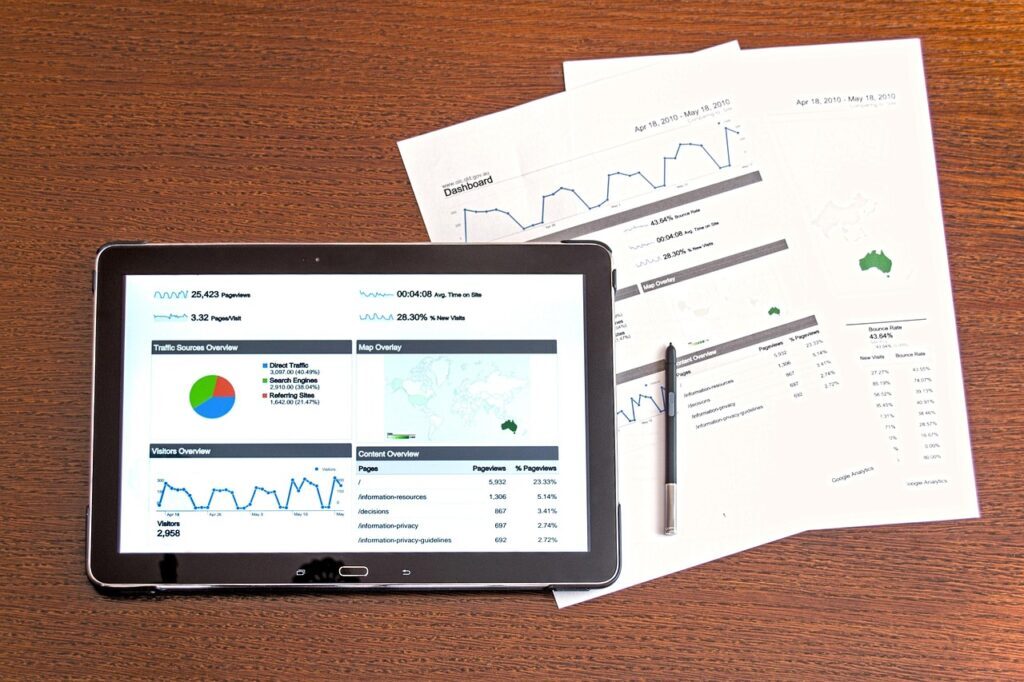
Once you have data flowing, the goal is to centralize it. Whether you are using call tracking software or UTM-based web traffic, everything should feed into a single reporting suite. If your current setup is complex or you are scaling your operation, consider using SEO Services to audit your conversion pipeline. Consolidating your data helps in identifying patterns, such as which days or times generate the highest volume of enquiries.
Common Pitfalls to Avoid
A common mistake is failing to verify the data against actual sales records. Tracking systems can sometimes count dropped calls or spam as valid enquiries. Regularly audit your lead logs to ensure your reporting reflects actual business growth. Additionally, ensure that your NAP (Name, Address, Phone) information remains consistent across the web. If you mismanage your details, you might hinder your rankings, which makes it even harder to generate the volume of leads you need to track in the first place.
Final Steps for Data-Driven Growth
Tracking is not a one-time setup; it is an ongoing process of refinement. Once you have established your tracking mechanisms, use the data to adjust your service descriptions, update your photos, and refine your engagement strategy. Consistent measurement allows you to iterate on your approach, ensuring that your efforts are always aligned with your business objectives. By treating your profile as an active sales channel, you transform it from a passive directory entry into a powerhouse for lead generation.